Green Tea Components and Energy
Mi0tochondria are the power plants of the cell. They do this by using oxygen to create energy by a series of electron exchange systems across a membrane. In some chronic diseases and genetic conditions this system can be impaired.
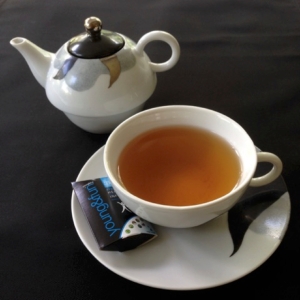
Valenti et al, have shown that natural polyphenols of green tea – can combat mitochondrial energy deficits.
The study suggests that using polyphenols from Green Tea could help to manage some of energy deficit-associated clinical manifestations in certain genetic (e.g. Downs Syndrom) and other chronic conditions.

Licorice and weight loss
An extract of Liquorice (Licorice flavonoid oil (LFO)) has been implicated in the regulation of lipid metabolism in animal studies. It has also been shown to lower body weight in overweight human subjects by reducing total body fat.
Results from a study by Mori et al suggest that LFO can aid fat oxidation in during light exercise.
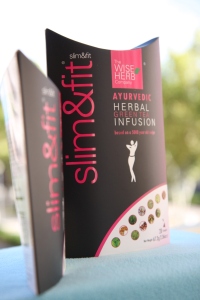
Liquorice is a key ingredient in the Wise Herb Company range of herbal infusions which include green tea and liquorice, amongst others.
Ginger and Fat utilisation
Studies by Miyamoto et al indicate that ingestion of ginger facilitates fat utilization especially when taken in the morning.
We have seen several studies which have implicated herbs and spices in fat burn.

Anti-fatty liver effects of oils from Zingiber officinale and Curcuma longa on ethanol-induced fatty liver by Nwozo et al.
Green Tea and Cognitive Function
April 3, 2015 –Green Tea is linked to a lower risk of dementia and related conditions (e.g. mild declines memory function) according to a study published on the website WebMD. The Japanese study shows that Green Tea can help with cognitive function.
“Of the 723 starting participants, 490 completed a follow-up survey. The results showed that drinking green tea 1 to 6 days per week or every day was linked to less mental decline”
Great news for our Green Tea herbal infusion drinkers!

Aging and Green Tea
Oxidation processes in neurons during aging prompts the idea that consumption of antioxidants could delay neurodegenerative processes.
Specifically, the consumption of Green Tea, Fruits and Vegetables etc. could neutralize the oxidation in cells and help with the prevention of certain diseases associated with aging (dementia, Alzheimer’s etc).
Research by Assuncao and Andrade indicate that polyphenols from Green Tea could help prevent neurodegeneration and delay brain function decline.
Try YOUNG&FUN from the The Wise Herb Company….packed with Green Tea goodness and specifically designed to aid cognitive function.

Christmas Stocking Fillers from The Wise Herb Company
Show someone you care with a Natural & Healthy gift this Christmas
 As a current user of our Ayurvedic Infusions, I would like you to be one of the first to hear about our Christmas Offers we are currently running:
Prepare for Christmas and the New Year!
We have THREE offers to match specific price points: Stocking filler under £5: Our small pack with 15 Triangles of our infusions per pack – ONLY £4.99 each 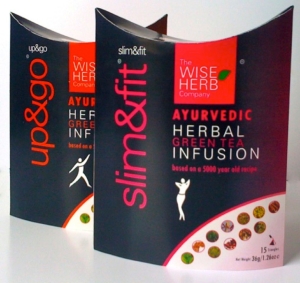 Stocking filler under £10: Our standard pack with 28 Triangles of our infusions per pack – ONLY £7.99 each
 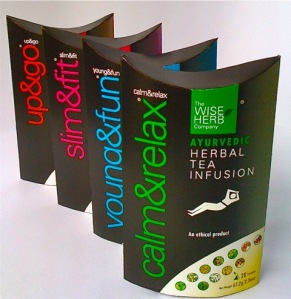 Stocking filler under £15: Our unique “Black Box” Gift box with a selection of our full range in individual mini pillows in an elegant Black Box – ONLY £14.99 each AND – We pay your postage for all orders over £9.90 – so you get all the items delivered to your doorstep for FREE! AND MORE – Buy TWO of any variants or any pack sizes, and you will get a THIRD pack of similar size for FREE – saving you 33% more!
 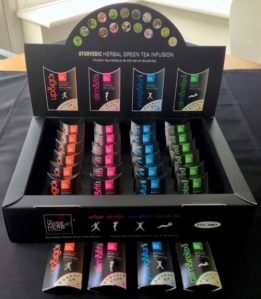 For customers outside of the UK please e-mail us to see what offers we can give you on sales@innorbit.com When ordering from the website, let us know what variant you would like as your FREE pack in the notes section of Paypal or by emailing us at sales@innorbit.com with your name and FREE choice of variant and order, and this will be dispatched all together If you have any questions about any of these offers or our products, drop us an email at sales@innorbit.com or call us on +44 787 55 44 558 and we will help you
  Order before 18th December to ensure that it arrives before in time for Christmas
Merry Christmas from all of us at InnOrbit / The Wise Herb Company
Holy Basil & Lung Cancer
Osteopontin is an important molecular target in cancer progression.
Evidence from studies by Kwak et al suggest that extracts of Ocimum sanctum inhibit the effect of Osteopontin in non-small cell lung cancer cells.

Tea polyphenol extracts induce weight loss
Tea polyphenol extracts induced weight loss effects and anti-oxidant activity.
Research, via an animal study, by Heber et al suggests that tea extracts found in Green tea may help with weight loss. A tea rich diet led to significantly lower body weight, total visceral fat volume and liver lipid weight.
It seems that, as well as reducing overall food intake, the extracts are able to induce certain types of gene expression via biochemical changes in the body. This could be great news if you are trying to control your weight in a natural way.

Rheumatoid arthritis & Ginger
As ageing populations grow, diseases such as Rheumatoid arthritis are becoming more prevelant. With advancing years this disease can lead to massive bone destruction with inflammation and pain. The researchers (Al-Nahain et al) in this recent paper study and review ginger (Zingiber official). This spice has traditionally been used for treatment of Rheumatoid arthritis in many countries like India where Ayurvedic doctore have been using it for many hundreds of years.

This review attempts to list the constituents and mechanisms of action.
The study concludes that phytochemicals from Ginger can form the basis of discovery of new drugs, which not only can provide symptomatic relief but also may provide total relief from diseases like Rheumatoid arthritis inhibiting bone destruction.

Green Tea consumption against stroke
A stroke can cause chronic disability and death in patients. This review by Navabi et al researched recent research on the neuroprotecitve agents for stroke with emphasis on Camellia sinensis L. (tea or Green Tea). Tea is the second most consumed beverage worldwide, after water.
Catechins, a type of polyphenol, are the main phytochemical constituents of tea and these compounds have high antioxidant capacity.
Their review show that there is significant research that supports the protective effects of tea consumption against ischemic stroke.
See also Panicker et al: Green Tea polyphenols may reduce brain edema and associated neural damage in ischemia

 Ayurvedic Herbal Teas